
Eat Smart, Lose Weight —
Discover the Best Foods for a Leaner You
Your independent editorial guide to low-fat eating, wholesome nutrition, and the foods that genuinely support a healthier body weight. No gimmicks — just honest, research-backed food knowledge for everyday life in France and beyond.
- Curated lists of the most effective low-fat foods, explained in plain language
- Practical meal-planning guidance backed by nutritional science
- In-depth articles on lean proteins, fibre-rich vegetables and smart snacking
- Friendly editorial voice — written for real people, not fitness professionals only
Get Your Free Meal Guide
Join our readers and receive our weekly digest of the best low-fat food tips, seasonal meal ideas and editorial picks — straight to your inbox.
What Good Nutrition Can Do For You
Understanding the basic principles behind low-fat eating gives you a solid foundation for making smarter food choices every single day.
Whole Foods Win
Nutritionists widely agree that whole, minimally processed foods — vegetables, legumes, lean proteins — provide the most sustainable foundation for managing body weight over the long term.
Calorie Density Matters
Foods with low calorie density — those with high water and fibre content — help you feel fuller for longer while keeping your overall energy intake in check, a key principle in weight management nutrition.
Consistency Over Perfection
Research consistently shows that long-term dietary patterns — not short-lived strict regimens — are the strongest predictor of body composition changes. Small, sustainable swaps outperform drastic overhauls every time.
Top Low-Fat Superfoods to Add to Your Plate
Our editorial team has compiled the most-researched, most-recommended low-fat foods that nutritionists regularly highlight for people aiming for a lighter, healthier lifestyle.
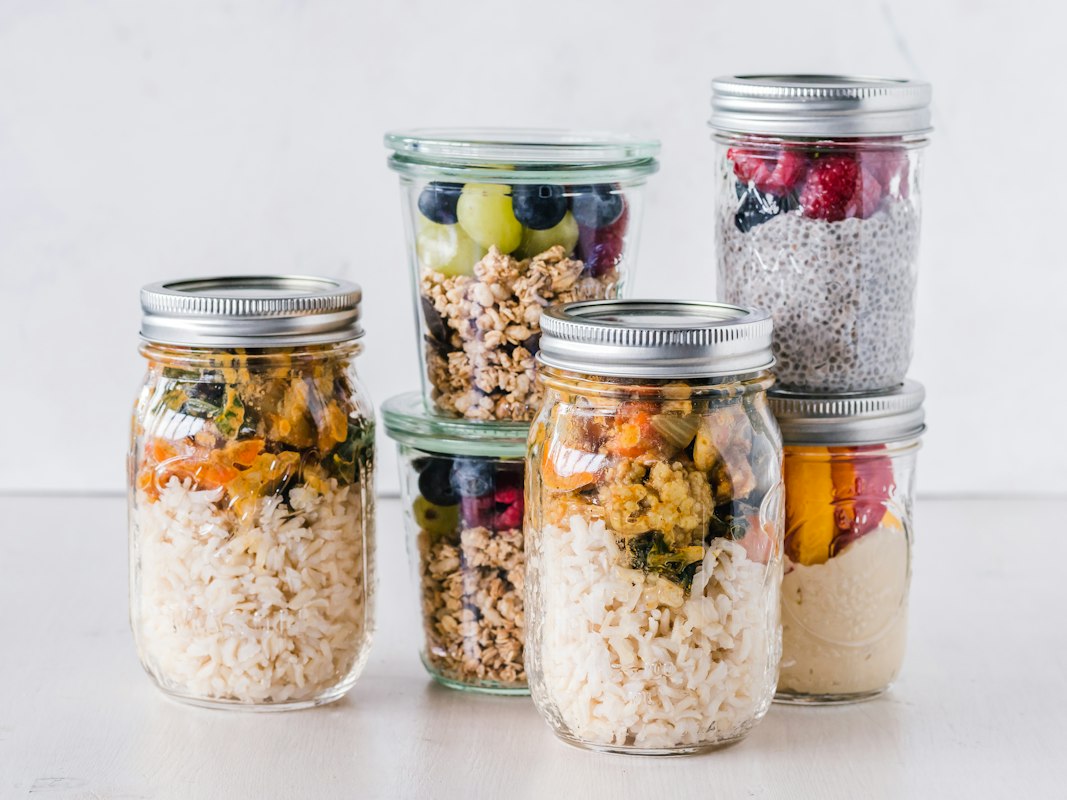
Leafy Green Vegetables
Spinach, kale, rocket and lettuce are among the lowest-calorie foods you can eat. Packed with vitamins, minerals and fibre, they add bulk to meals without adding significant fat or calories — a classic cornerstone of any weight-conscious diet.
Read more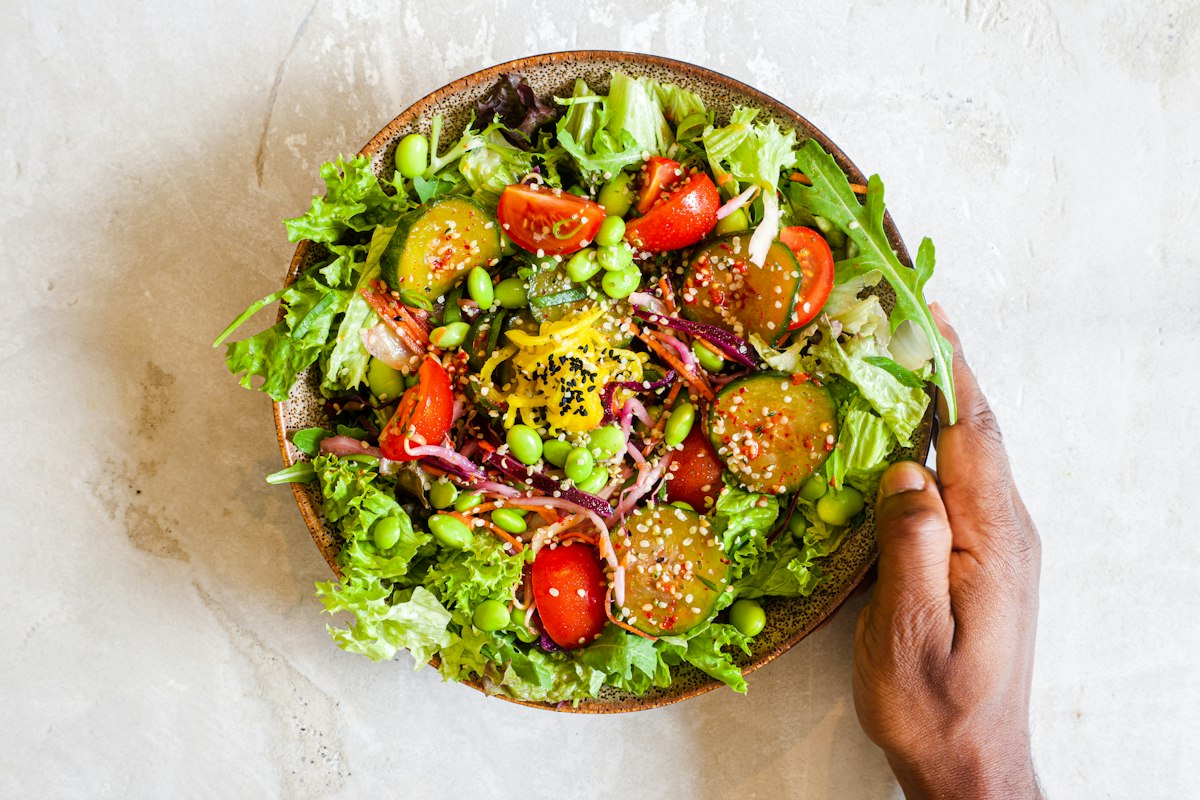
Lentils & Chickpeas
Lentils, chickpeas and black beans are exceptional sources of plant-based protein and soluble fibre. They digest slowly, helping to sustain energy levels and reduce the urge to snack between meals — and they're wonderfully low in fat.
Read more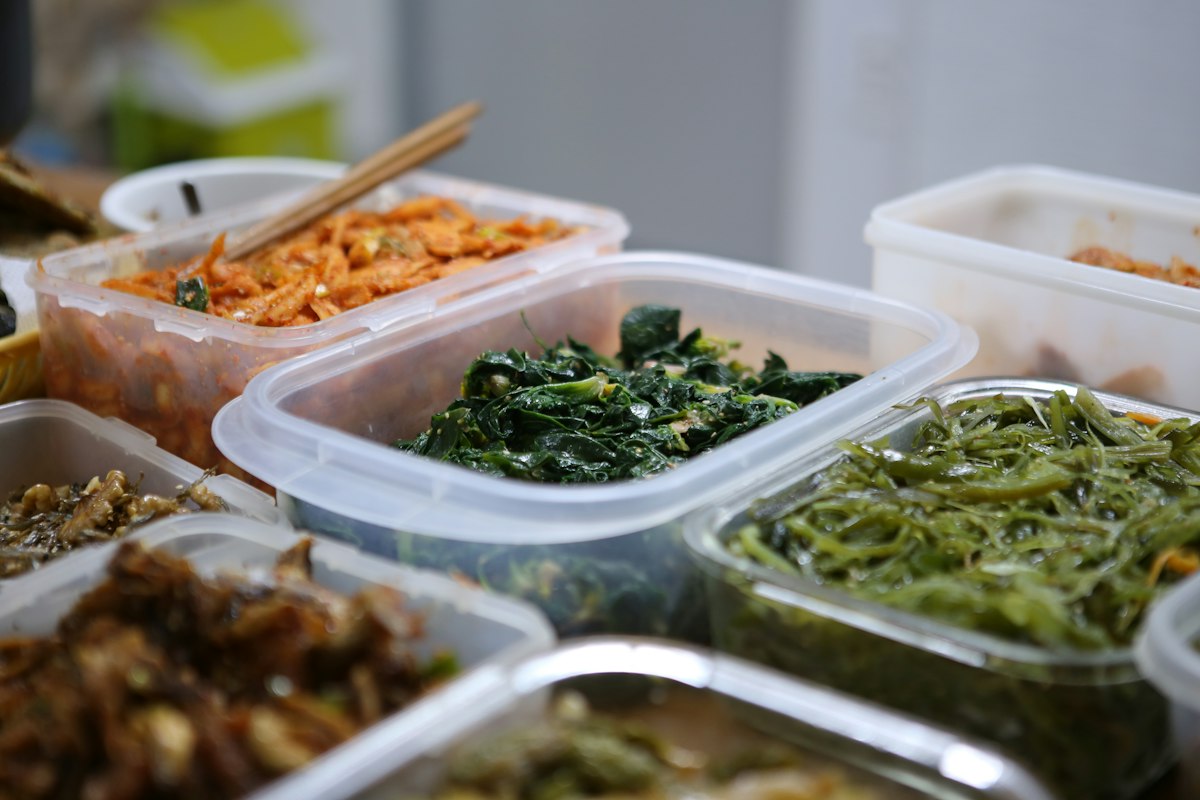
Oats & Whole Grains
A bowl of rolled oats provides beta-glucan fibre, which supports a feeling of fullness that lasts for hours. Whole grains like barley, quinoa and brown rice offer a far richer nutritional profile than their refined counterparts, with modest fat content.
Read more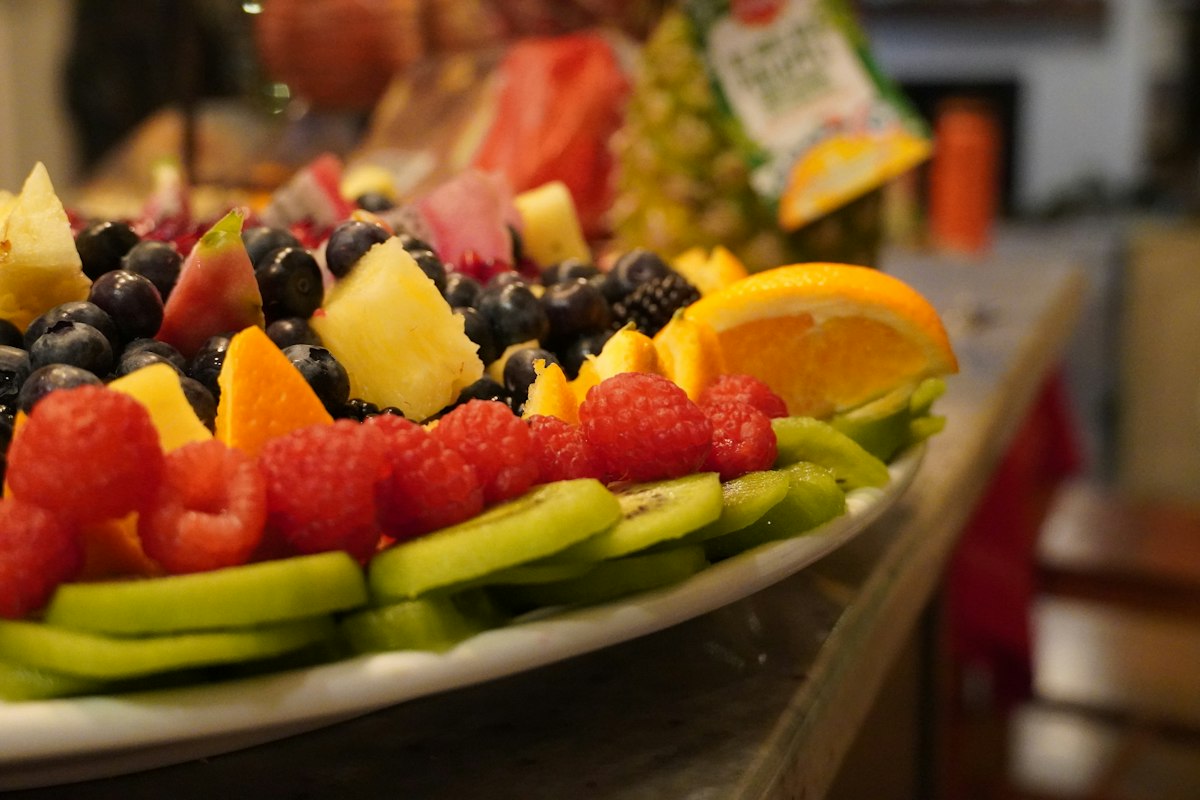
Lean Poultry & White Fish
Skinless chicken breast, turkey and white fish like cod or hake are among the most protein-dense, fat-light foods available. High-protein meals support muscle preservation during calorie-controlled eating and can increase satiety significantly.
Read more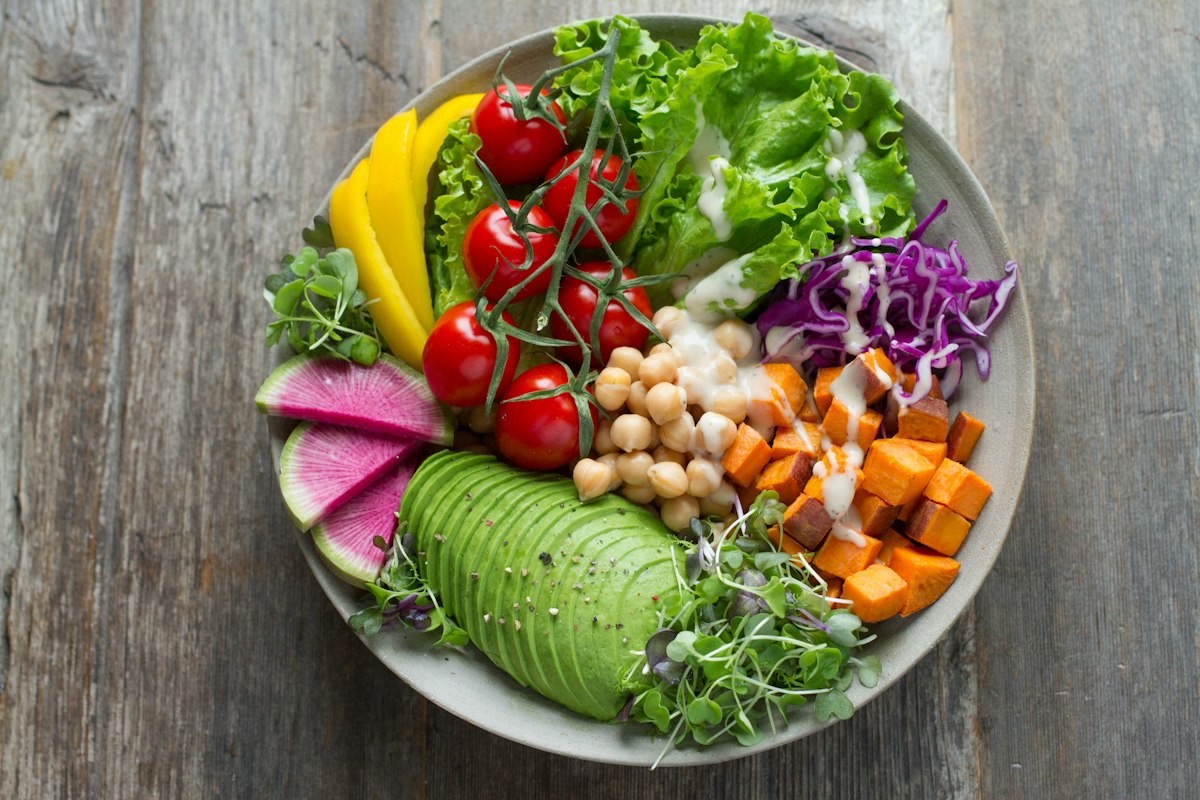
Low-Fat Greek Yogurt
Plain, low-fat Greek yogurt delivers a remarkable amount of protein per serving alongside calcium and beneficial probiotics. It works as a satisfying breakfast base, a healthy snack, or a creamy lower-fat substitute in dressings and sauces.
Read more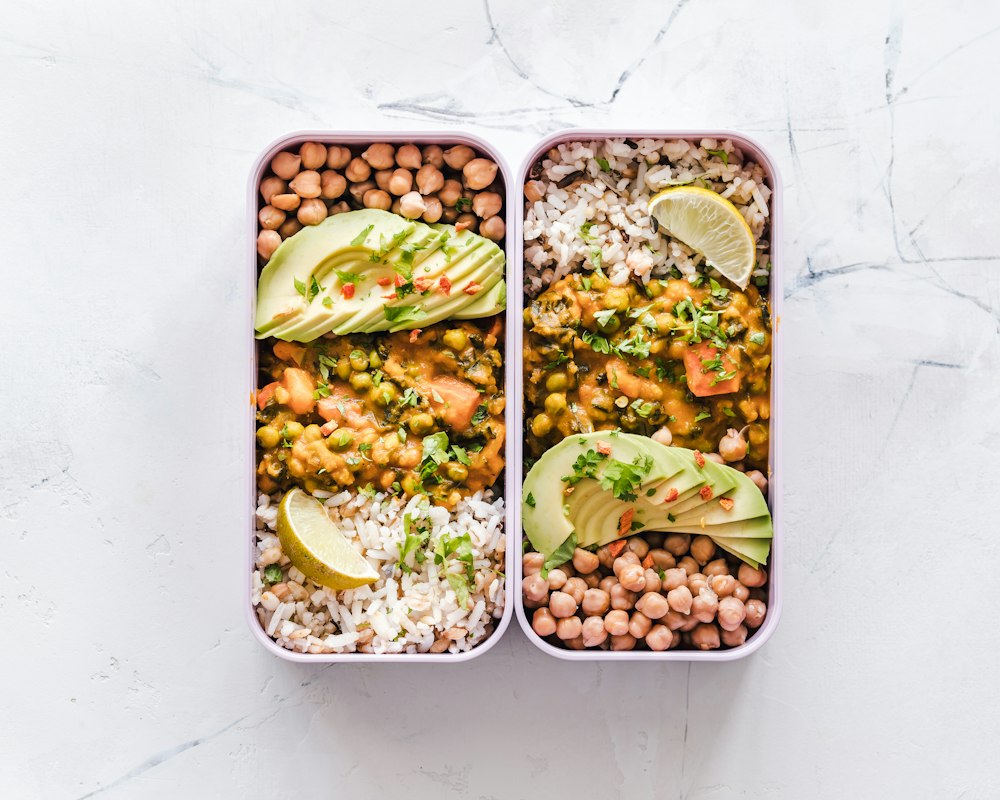
Berries & Citrus Fruits
Blueberries, strawberries, raspberries and grapefruit are all naturally low in fat and sugar relative to their volume. Rich in antioxidants and vitamin C, they add vibrant flavour and nutritional depth to meals while keeping calorie counts comfortably low.
Read more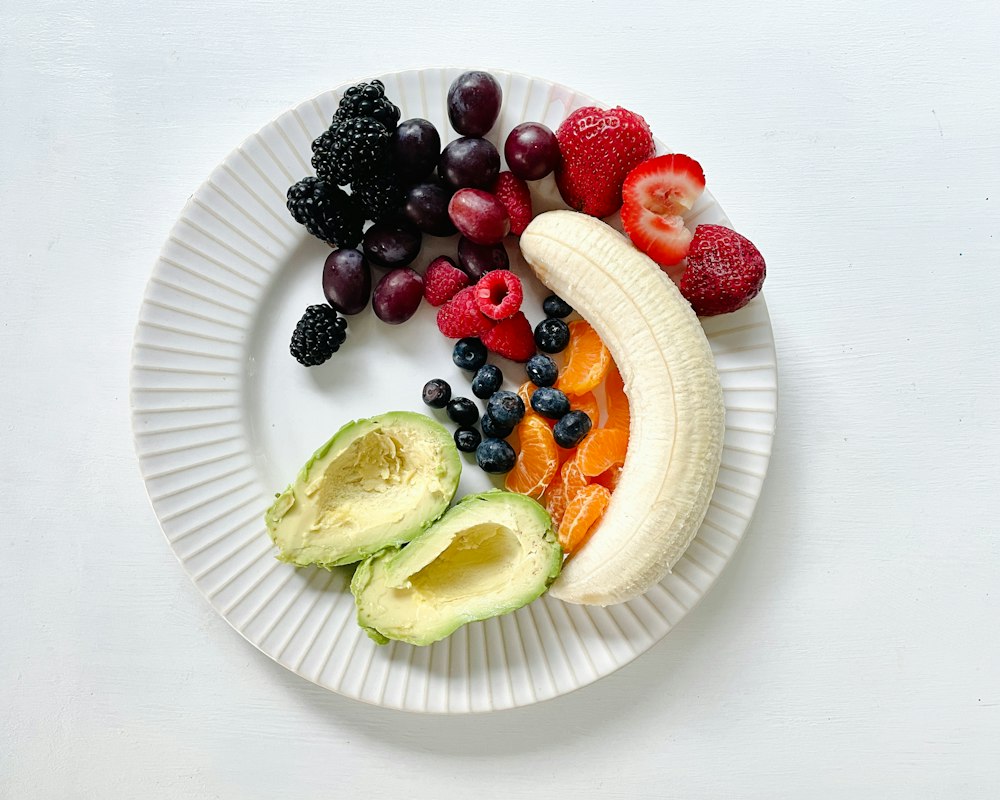
Why Low-Fat Whole Foods Outperform Fad Diets
Every few months, a new diet trend emerges promising dramatic results. Our editorial research, however, consistently points to the same conclusion: whole-food, low-fat eating patterns produce more durable outcomes than restrictive fad diets because they work with your body's natural hunger cues rather than against them.
Fad diets often eliminate entire food groups, creating nutrient gaps and difficult-to-sustain rules. In contrast, a diet built around vegetables, legumes, lean proteins and whole grains provides all the macronutrients and micronutrients your body needs — while naturally moderating calorie and fat intake without obsessive counting.
Nutritionists interviewed by our editorial team point to the concept of "food volume" — eating larger portions of lower-density foods so that you never feel deprived. This approach is not only more enjoyable, it is also far easier to maintain over months and years, which is what genuinely matters for lasting wellbeing.
A Simple 3-Step Approach to Building a Weight-Loss Meal Plan
You don't need a complicated system. Our editorial guides break down sensible, evidence-informed meal planning into three clear, actionable steps that anyone can start applying today.
Build Your Plate Foundation
Start by filling half your plate with non-starchy vegetables — courgettes, broccoli, cucumber, leafy greens. These are fibre-rich, water-dense and extremely low in fat. They create volume and satiety without contributing significant calories. This single habit can transform the nutritional profile of any meal.
Choose Lean Protein Wisely
Allocate a quarter of your plate to lean protein — grilled chicken, eggs, cottage cheese, lentils or white fish. Protein is the most satiating macronutrient and requires more energy to digest than carbohydrates or fat. Including a protein source at every meal helps stabilise energy and reduces cravings throughout the day.
Add Smart Complex Carbs
Use the remaining quarter for slow-digesting complex carbohydrates — brown rice, sweet potato, whole-grain bread or quinoa. These release energy gradually, preventing the sharp blood sugar spikes and crashes that lead to snack cravings. Pair them with your vegetables and protein for a complete, balanced meal that keeps you satisfied.
What Our Readers Are Saying
Feedback from people who have explored our articles and made meaningful changes to their everyday eating habits.
"I had been overwhelmed by conflicting nutrition advice online for years. Weightlossnutrition was the first resource that explained low-fat eating in a way that actually made sense for my lifestyle. I stopped obsessing over numbers and started focusing on food quality. Six months later, I feel genuinely lighter and more energetic than I have in years."
"The article on legumes completely changed how I shop and cook. I never realised how filling lentil-based meals could be. I've swapped heavy meat dishes for lentil soups several times a week and feel far less bloated in the evenings."
"What I appreciate most about this editorial platform is that it never promotes gimmicks or short-term fixes. Every article I've read is grounded in real nutrition principles. The three-step meal plate guide is something I share with friends regularly — it's clear and genuinely practical."
"As someone who cooks a lot, I found the breakdown of different protein sources incredibly useful. The comparison between white fish and chicken, with cooking suggestions for each, helped me add much more variety to my weekly menu without ever feeling like I was 'dieting'."
Common Questions About Low-Fat Eating
Our editorial team answers the questions readers ask most frequently about low-fat nutrition and building a healthier plate.
Is a low-fat diet the same as a low-calorie diet?
Not necessarily. A low-fat approach focuses on minimising dietary fat — particularly saturated fat — rather than counting every calorie. Many low-fat whole foods like oats and legumes are relatively high in calories due to protein and complex carbohydrates, yet they're considered excellent choices for weight management because of their satiety value and nutrient density.
Which vegetables are lowest in fat and calories?
Cucumber, lettuce, courgette, celery, radishes and spinach are among the most calorie- and fat-minimal vegetables you can eat. They are almost entirely water and fibre, making them perfect volume foods to fill your plate without impacting your daily fat intake. Broccoli and cauliflower are also excellent choices, offering additional vitamins and minerals alongside negligible fat content.
Can I eat fruit on a low-fat diet?
Absolutely. Most fruits are naturally very low in fat. Berries, citrus fruits, melons, apples and pears are particularly good choices. While fruit contains natural sugars, the accompanying fibre slows absorption and prevents sharp energy spikes. Whole fruit is always preferable to fruit juice, which lacks fibre and delivers sugar more rapidly. Our articles explore seasonal French fruit options in detail.
How do I handle eating out in restaurants while following a low-fat diet?
Eating out is very manageable with a few simple strategies. Choose grilled, baked, steamed or poached dishes rather than fried or sautéed options. Ask for sauces and dressings on the side so you control how much you use. Opt for fish or lean poultry as your main protein, and request vegetables or salad instead of chips. French cuisine actually offers many naturally lighter dishes — moules marinières, sole meunière prepared simply, or a classic salade niçoise are excellent choices. Don't hesitate to ask your server about preparation methods.
Will I feel hungry all the time on a low-fat diet?
Not if you approach it correctly. The key is to replace removed fat with foods that provide genuine satiety — high-fibre vegetables, legumes, whole grains and adequate lean protein. These foods take longer to digest and keep you fuller for longer. Eating regular meals and structured snacks also helps prevent excessive hunger. Many people find that once they adjust to a lower-fat pattern of eating after two to three weeks, their appetite naturally regulates and cravings diminish considerably.
Are low-fat diets suitable for everyone?
A balanced low-fat approach is generally safe and beneficial for most healthy adults. However, certain individuals — including those with specific medical conditions, pregnant or breastfeeding women, or people taking certain medications — should always consult their doctor or a registered dietitian before making significant dietary changes. Children and teenagers have different nutritional needs and should not follow very restrictive diets without professional guidance. Our content is intended as general information and is not a substitute for personalised medical advice.